Call Us

+1-(615) 799-4065

Our Location

California(CA), 91941

Author name: priyanktrivedi9993@gmail.com

Installation

Solar Panel Installation: What to Expect From Start to Finish

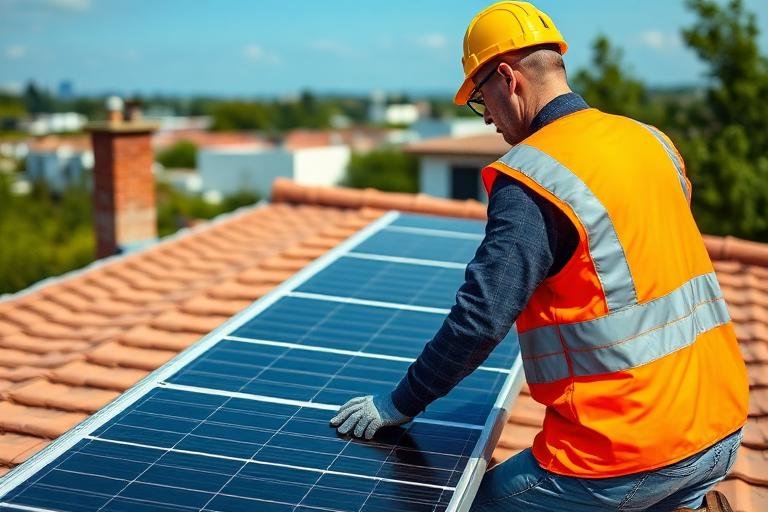
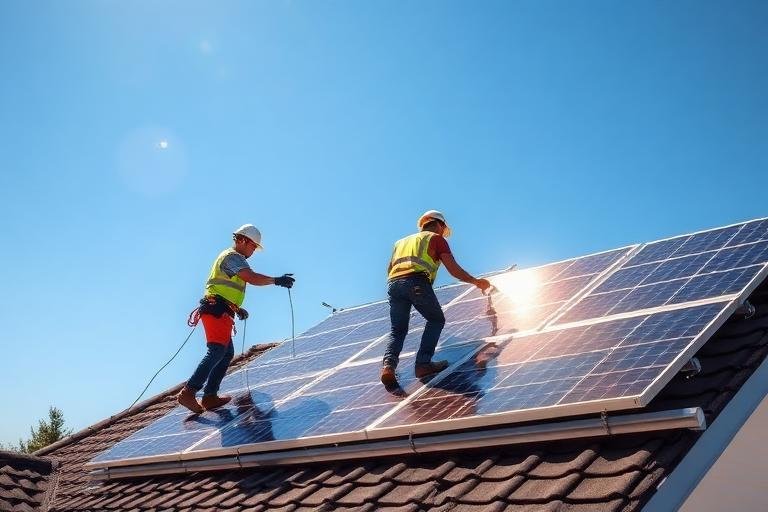
Solar Panel Installation : What to Expect From Start to Finish Your Complete Guide to Solar Panel Installation Going solar is a big decision, and understanding the installation process helps you prepare and set realistic expectations. Here’s everything you need to know about what happens from your first inquiry to flipping the switch. Step 1: Initial Consultation and Site Survey The process begins with a consultation where a solar expert evaluates your needs: Energy analysis: Reviewing your electricity bills to determine system size Roof inspection: Assessing roof condition, angle, orientation, and available space Shading analysis: Using tools to identify any obstructions that could affect performance Electrical assessment: Checking your existing electrical panel and wiring capacity Step 2: System Design and Proposal Based on the site survey, engineers create a custom system design: Panel layout optimized for maximum sun exposure Inverter selection based on system size and configuration Wiring and electrical plans meeting local building codes Energy production estimates and financial projections Complete cost breakdown with financing options Step 3: Permits and Approvals Before installation begins, several approvals are needed: Building permits: Your installer handles all permit applications with local authorities Utility approval: Your power company must approve the grid connection HOA review: If applicable, your homeowners association may need to review plans Timeline: Permit processing typically takes 2-4 weeks depending on your location Step 4: Installation Day The actual installation is faster than most people expect: Duration: Most residential systems are installed in 1-3 days Mounting: Racking systems are securely attached to your roof rafters Panel placement: Panels are mounted on the racking and wired together Inverter installation: The inverter is mounted near your electrical panel Electrical connection: Your system is connected to your home’s electrical panel Most homeowners are surprised at how quick and clean the installation process is. Our team typically completes a standard residential installation in just one day. — Solar Installation Professional Step 5: Inspection and Activation After installation, a few final steps remain: City inspection: A building inspector verifies the installation meets all codes Utility inspection: Your power company inspects and approves the grid connection Meter installation: A bi-directional meter is installed for net metering System activation: Once all approvals are received, your system is turned on What to Prepare Before Installation Make sure you’re ready for installation day: Clear roof access: Remove any items stored near the work area Trim nearby trees: Cut back branches that may shade your panels Secure pets: Keep pets inside or away from the work area for safety Plan for noise: Installation involves drilling — inform your neighbors if needed Be available: Someone should be home to answer questions and sign documents After Installation: What’s Next? Once your system is live: Monitor performance: Download your system’s monitoring app and check daily production Review your first bill: You should see significant savings within the first billing cycle Schedule maintenance: Set reminders for semi-annual panel cleaning Keep documentation: Store your warranty certificates, permits, and system specs safely Conclusion Solar panel installation is a straightforward process when you work with experienced professionals. From consultation to activation, the entire process typically takes 4-8 weeks, with the actual installation completed in just a few days. The result is decades of clean, affordable energy for your home or business. In This Article Your Complete Guide to Solar Panel Installation Step 1: Initial Consultation and Site Survey Step 2: System Design and Proposal Step 3: Permits and Approvals Step 4: Installation Day Step 5: Inspection and Activation What to Prepare Before Installation After Installation: What’s Next? Conclusion
Maintenance

7 Common Solar Panel Maintenance Mistakes That Are Costing You Money

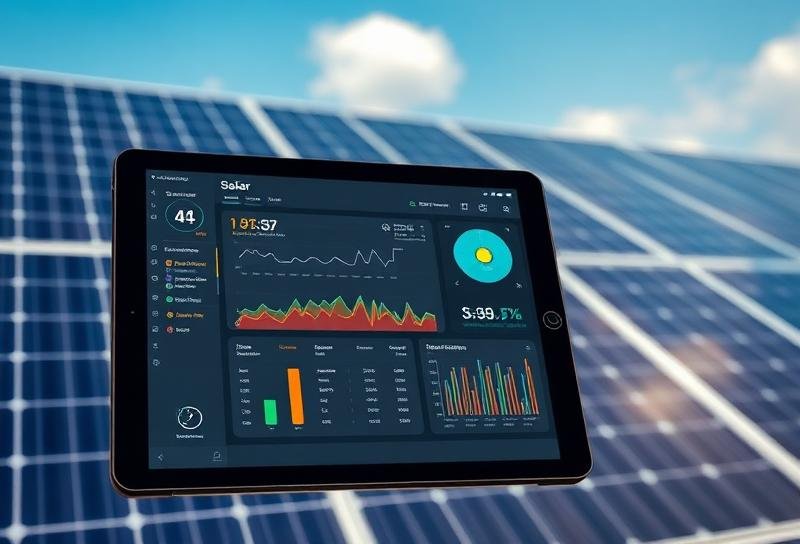
7 Common Solar Panel Maintenance Mistakes That Are Costing You Money Are You Getting the Most From Your Solar Panels? Solar panels are designed to be low-maintenance, but that doesn’t mean zero maintenance. Many solar system owners unknowingly make mistakes that reduce their system’s efficiency and shorten its lifespan. Mistake #1: Never Cleaning Your Panels Dust, bird droppings, pollen, and debris accumulate on your panels over time. Even a thin layer of dirt can reduce energy output by 15-25%. How often to clean: At least twice a year, or quarterly in dusty areas Best method: Use soft water and a non-abrasive sponge or hire a professional cleaning service Avoid: High-pressure washers, harsh chemicals, or abrasive materials that can scratch the glass Mistake #2: Ignoring Shading Changes Trees grow, new buildings go up, and what was once an unshaded roof can become partially covered: Monitor annually: Check for new shade sources each season Trim vegetation: Keep trees and bushes trimmed to prevent shading Consider micro-inverters: If partial shading is unavoidable, micro-inverters minimize the impact on overall system performance Mistake #3: Skipping Regular Inspections Without periodic inspections, small issues become expensive problems: Loose wiring connections can cause arcing and fire hazards Cracked panels reduce output and can allow moisture damage Corroded mounting hardware compromises structural integrity Inverter faults may go unnoticed for weeks, losing valuable generation Mistake #4: Not Monitoring System Performance Many owners install solar panels and never check their performance data: Use your monitoring app: Most modern systems include real-time monitoring Set alerts: Configure notifications for unusual drops in production Compare monthly: Track month-over-month and year-over-year performance Act quickly: Investigate any sudden output drops immediately Mistake #5: DIY Electrical Repairs Solar systems involve high-voltage DC electricity. Attempting repairs without proper training is dangerous and can void your warranty: Always hire certified technicians: for electrical work Keep your warranty valid: by using authorized service providers Document everything: Keep records of all maintenance and repairs Mistake #6: Forgetting About the Inverter The inverter is the hardest-working component in your solar system and typically needs replacement after 10-15 years: Check indicator lights: Green means normal, red or orange signals a problem Keep ventilation clear: Inverters need airflow to prevent overheating Plan for replacement: Budget for inverter replacement at the 10-year mark Regular maintenance can improve your solar system’s output by 20% or more. The cost of maintenance is a fraction of the energy gains you’ll see. — Solar Industry Association Mistake #7: Not Reviewing Your Energy Usage Your energy habits may have changed since installation: Added new appliances: Air conditioners, EV chargers, or pool pumps increase consumption Home additions: Extra rooms mean more lighting and climate control System expansion: You may need additional panels to match increased usage Conclusion Taking care of your solar investment doesn’t require much effort, but it does require consistency. Schedule regular cleanings, monitor your system’s performance, and work with qualified professionals for any repairs. Your panels will reward you with decades of reliable, clean energy. In This Article Are You Getting the Most From Your Solar Panels? Mistake #1: Never Cleaning Your Panels Mistake #2: Ignoring Shading Changes Mistake #3: Skipping Regular Inspections Mistake #4: Not Monitoring System Performance Mistake #5: DIY Electrical Repairs Mistake #6: Forgetting About the Inverter Mistake #7: Not Reviewing Your Energy Usage Conclusion

Residential

How to Reduce Your Electricity Bill by 80% With Solar Panels

How to Reduce Your Electricity Bill by 80% With Solar Panels Why Your Electricity Bill Keeps Rising Electricity prices have been climbing steadily year after year. For homeowners and businesses alike, energy costs now represent one of the largest monthly expenses. Solar panels offer a proven, long-term solution to take control of your energy costs. How Solar Panels Lower Your Bill Solar panels generate free electricity from sunlight. Once installed, your system produces power during daylight hours, directly reducing the amount of electricity you purchase from the grid. Net metering: Excess energy your panels produce is fed back to the grid, earning you credits on your bill Peak hour savings: Solar panels generate the most power during peak pricing hours, maximizing your savings Fixed energy costs: Unlike utility rates, solar energy costs are locked in for 25+ years Battery storage: Store surplus energy for use at night or during cloudy days Real Savings Breakdown Here’s what typical savings look like for a residential solar installation: Average monthly electricity bill before solar: $250 System size required: 8-10 kW (24-30 panels) Average monthly bill after solar: $30-$50 Annual savings: $2,400-$2,640 System payback period: 5-7 years Steps to Get Started Energy audit: Review your past 12 months of electricity bills to understand your consumption patterns Site assessment: A professional installer evaluates your roof orientation, shading, and structural integrity System design: Engineers design a system sized to offset 80-100% of your electricity usage Installation: Most residential installations are completed within 1-3 days Grid connection: Your utility company connects your system and activates net metering We installed solar panels on our business premises last year and our electricity bill dropped from $1,200 to $180 per month. The investment is paying for itself faster than we expected. — James M., Business Owner Financing Options You don’t need to pay everything upfront: Cash purchase: Highest long-term savings with immediate ownership Solar loans: Low-interest financing with $0 down payment options Leasing: No upfront cost, immediate savings, but lower long-term returns Power purchase agreements: Pay only for the electricity the system produces Conclusion Switching to solar is one of the smartest financial decisions you can make. With electricity prices only going up, locking in low-cost solar energy protects your budget for decades to come. Contact a certified solar installer today to get a free quote. In This Article Why Your Electricity Bill Keeps Rising How Solar Panels Lower Your Bill Real Savings Breakdown Steps to Get Started Financing Options Conclusion

Commercial

Why Businesses Are Switching to Commercial Solar in 2026

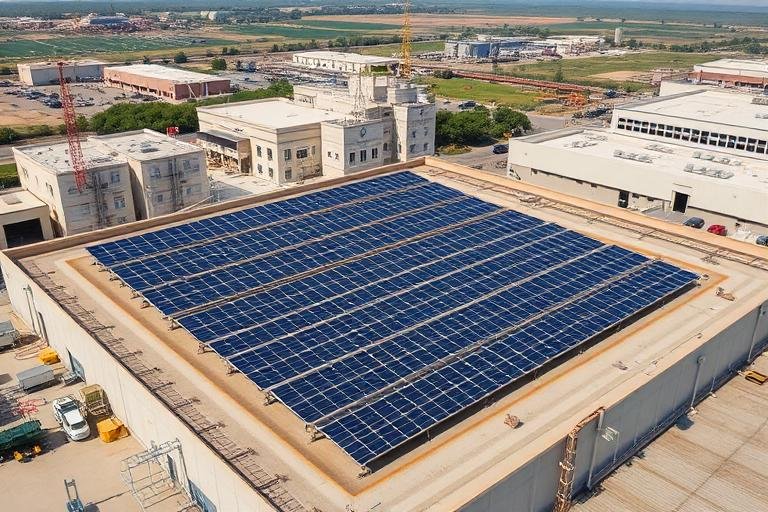
Why Businesses Are Switching toCommercial Solar in 2026 The Business Case for Commercial Solar More businesses than ever are adopting solar energy. The combination of falling costs, strong ROI, and corporate sustainability commitments is driving unprecedented growth in the commercial solar sector. Financial Advantages Reduced Operating Costs: Commercial solar can reduce electricity expenses by 50-70%, directly improving your bottom line. Accelerated Depreciation: Tax benefits through accelerated depreciation make solar even more attractive for businesses. Predictable Energy Costs: Lock in energy prices for 25+ years, protecting against utility rate increases. Corporate Sustainability Solar adoption supports corporate sustainability goals: Reduce carbon footprint significantly Meet ESG reporting requirements Enhance brand image and customer loyalty Attract environmentally conscious employees Installation Options Commercial installations come in various configurations: 1**Rooftop systems**: Utilize unused roof space 2**Carport structures**: Provide shade while generating power 3**Ground-mounted arrays**: Ideal for businesses with available land 4**Building-integrated PV**: Combine aesthetics with energy generation Case Study: Manufacturing Plant A recent 500kW installation on a manufacturing facility in Lusaka achieved: 65% reduction in electricity costs 3.5-year payback period 720 tonnes of CO2 avoided annually Enhanced energy reliability Conclusion Commercial solar is a smart business decision that delivers financial returns while contributing to a sustainable future. With professional EPC partners, the transition to solar is seamless and rewarding. In This Article The Business Case for Commercial Solar Financial Advantages Corporate Sustainability Installation Options Case Study: Manufacturing Plant Conclusion

Residential

How Residential Solar Can Cut Your Electricity Bills by 80%

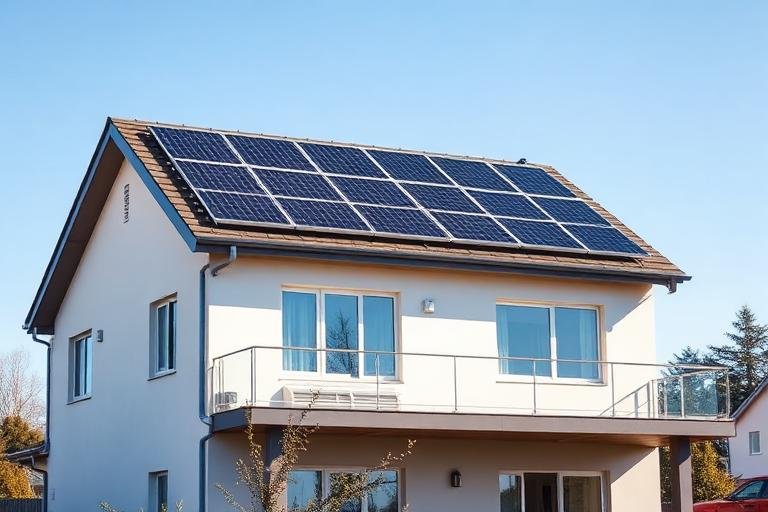
How Residential Solar Can Cut Your Electricity Bills by 80% Residential Solar: Your Path to Energy Independence The economics of residential solar have never been more favorable. With declining panel costs and rising electricity prices, homeowners can achieve significant savings. Understanding Your Energy Consumption Before going solar, analyze your electricity usage patterns: Review 12 months of utility bills Identify peak consumption periods Consider future changes (EV, home expansion) Set realistic savings goals System Sizing Proper system sizing is crucial for maximizing returns. A system that’s too small won’t cover your needs, while an oversized system may not be cost-effective. Key factors: Average daily energy consumption Available roof space and orientation Local solar irradiance Budget constraints Financial Benefits The financial case for residential solar is compelling: Electricity savings: Reduce monthly bills by 60-80% Net metering: Earn credits for excess energy fed to the grid Property value: Solar homes typically sell for 3-4% more Protection from rate increases: Lock in your energy costs Smart Energy Management Maximize your solar investment with smart energy practices: Use major appliances during peak solar hours Consider battery storage for evening use Install smart thermostats and energy monitors Optimize hot water heating timing Conclusion Residential solar is one of the best investments a homeowner can make. With proper planning and installation, the system will pay for itself many times over during its 25+ year lifespan. In This Article Residential Solar: Your Path to Energy Independence Understanding Your Energy Consumption System Sizing Financial Benefits Smart Energy Management Conclusion

Installation

Rooftop Solar Installation: Best Practices for Maximum Performance

Understanding Solar Panel Efficiency : What You Need to Know in 2026 Best Practices for Rooftop Solar Installation A well-installed rooftop solar system can provide decades of clean, reliable energy. Following best practices during installation ensures maximum performance and longevity. Pre-Installation Assessment Before installation begins, a thorough site assessment is essential: Structural analysis: Ensure the roof can support the additional weight of panels Roof condition: Address any repairs before installation Shading analysis: Use tools like Solar Pathfinder or drone surveys to map shading patterns Electrical assessment: Evaluate existing electrical infrastructure for compatibility Installation Best Practices Mounting Systems: Choose between rail-based and rail-less mounting systems based on roof type. Ensure all penetrations are properly sealed to prevent water ingress. Wiring and Conduit: Use appropriately rated cables and conduit. Follow local electrical codes for wire sizing, grounding, and labeling. Panel Placement: Optimize panel placement for maximum sun exposure while maintaining required setbacks for fire access and maintenance. Safety Protocols Safety should never be compromised during installation: Use proper fall protection equipment Follow OSHA guidelines for working at heights Ensure proper electrical isolation during connection Conduct post-installation electrical testing Quality Assurance After installation, perform these quality checks: Visual inspection of all components Electrical testing including insulation resistance System commissioning and performance verification Customer walkthrough and documentation handover Conclusion Professional installation following best practices is the foundation of a high-performing solar system. Don’t cut corners — proper installation pays dividends over the system’s lifetime. In This Article Best Practices for Rooftop Solar Installation Pre-Installation Assessment Installation Best Practices Safety Protocols Quality Assurance Conclusion

Industry

Complete Guide to Solar Farm Development in Zambia

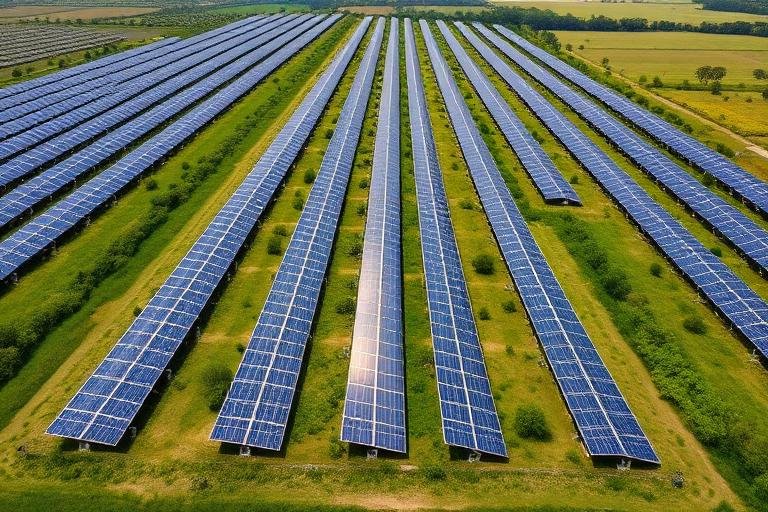
Complete Guide to Solar Farm Development in Zambia Developing Solar Farms in Zambia Zambia’s abundant sunshine makes it an ideal location for solar farm development. With average solar irradiance of 5.5 kWh/m²/day, the country offers excellent conditions for utility-scale solar projects. Site Selection The first step in solar farm development is selecting the right site. Key considerations include: Solar irradiance levels: Use satellite data and ground measurements to assess solar resource Land availability: Flat or gently sloping terrain with minimal shading Grid proximity: Closer to existing transmission infrastructure reduces interconnection costs Environmental impact: Avoid sensitive ecosystems and protected areas Regulatory Framework Understanding Zambia’s energy regulations is essential. The Energy Regulation Board (ERB) oversees licensing and permits. Key steps include: 1Obtaining an environmental impact assessment 2Securing land rights and permits 3Applying for a generation license 4Negotiating a Power Purchase Agreement (PPA) Technical Considerations Panel Technology: Ground-mounted systems typically use monocrystalline or polycrystalline panels on fixed-tilt or single-axis tracking structures. Inverter Selection: Central inverters are common for utility-scale projects, though string inverters offer advantages in terms of maintenance and monitoring. Financial Planning Solar farm development requires significant capital investment. Consider these financing options: International development finance institutions Green bonds and climate finance Public-private partnerships Local banking sector participation Conclusion With the right planning and execution, solar farm development in Zambia can deliver strong returns while contributing to the country’s clean energy goals. In This Article Developing Solar Farms in Zambia Site Selection Regulatory Framework Technical Considerations Financial Planning Conclusion

Technology

Solar Battery Storage: The Future of Energy Independence

Solar Battery Storage : The Future of Energy Independence Battery Storage: Completing the Solar Equation Battery storage technology is transforming the solar industry by enabling energy use even when the sun isn’t shining. This technology is key to achieving true energy independence. How Solar Batteries Work Solar batteries store excess energy generated during the day for use during evening hours, cloudy days, or power outages. Modern lithium-ion batteries offer: High energy density Long cycle life (5,000+ cycles) Fast charging and discharging Smart energy management integration Types of Solar Batteries Lithium Iron Phosphate (LFP): Excellent safety and longevity, ideal for home use. Nickel Manganese Cobalt (NMC): Higher energy density, good for space-constrained installations. Flow Batteries: Best for large-scale commercial applications with long duration needs. Benefits of Battery Storage Energy independence: Use solar power 24/7 Backup power: Keep critical loads running during outages Peak shaving: Reduce demand charges for commercial customers Grid services: Participate in demand response programs Sizing Your Battery System Consider these factors when sizing: 1Evening and nighttime energy consumption 2Desired backup duration 3Solar system size 4Budget and available incentives Conclusion Battery storage is no longer a luxury — it’s becoming an essential component of modern solar installations. As prices continue to fall, the economic case for storage becomes increasingly compelling. In This Article Battery Storage: Completing the Solar Equation How Solar Batteries Work Types of Solar Batteries Benefits of Battery Storage Sizing Your Battery System Conclusion

Technology

Understanding Solar Panel Efficiency: What You Need to Know in 2026

Understanding Solar Panel Efficiency : What You Need to Know in 2026 The Evolution of Solar Panel Efficiency Solar panel technology has come a long way since its inception. Today’s panels are more efficient, durable, and cost-effective than ever before. Understanding efficiency ratings is crucial when planning your solar investment. What is Solar Panel Efficiency? Solar panel efficiency refers to the amount of sunlight that a panel can convert into usable electricity. Modern monocrystalline panels typically achieve efficiencies between 20-24%, with some premium models exceeding 25%. Key Factors Affecting Efficiency Temperature plays a significant role in panel performance. Panels operate most efficiently in cooler conditions. For every degree above 25°C (77°F), panel output typically decreases by about 0.3-0.5%. Orientation and Tilt are equally important. Panels should ideally face the equator (south in the Northern Hemisphere, north in the Southern Hemisphere) at an angle equal to the local latitude. Shading can dramatically reduce output. Even partial shading on one panel can affect the entire string if microinverters or optimizers aren’t used. Latest Advancements Bifacial Panels: These capture light from both sides, increasing energy yield by 5-30% Half-cut Cell Technology: Reduces resistive losses and improves shade tolerance PERC Technology: Passivated Emitter and Rear Cell technology adds a reflective layer to capture more light Heterojunction (HJT) Cells: Combine crystalline and thin-film technologies for higher efficiency Making the Right Choice When selecting solar panels, consider the total cost of ownership rather than just upfront price. Higher efficiency panels may cost more initially but generate more power per square meter, making them ideal for space-constrained installations. Investing in higher efficiency panels today means more energy savings over the 25+ year lifespan of your system. — Solar Industry Expert Conclusion As technology continues to advance, solar panels are becoming increasingly efficient and affordable. Whether you’re considering a residential rooftop installation or a commercial solar project, understanding efficiency metrics will help you make an informed decision. In This Article The Evolution of Solar Panel Efficiency What is Solar Panel Efficiency? Key Factors Affecting Efficiency Latest Advancements Making the Right Choice Conclusion

Scroll to Top