


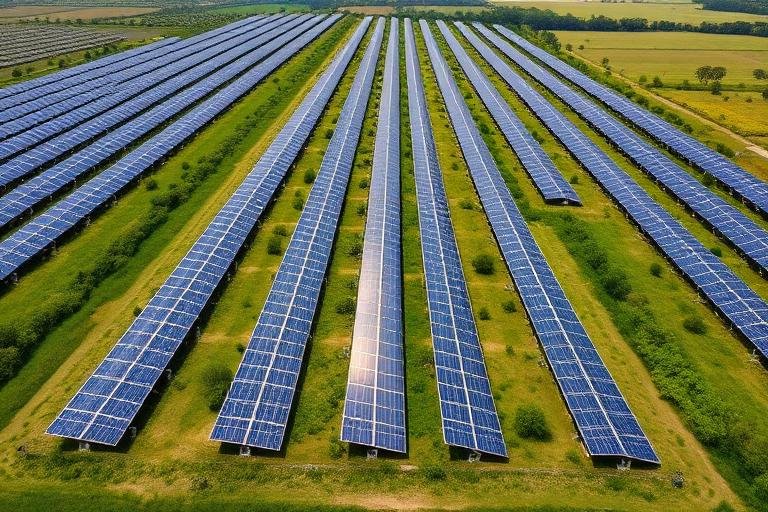
Complete Guide to Solar Farm Development in Zambia
Complete Guide to Solar Farm Development in Zambia Developing Solar Farms in Zambia Zambia’s abundant sunshine makes it an ideal location for solar farm development. With average solar irradiance of 5.5 kWh/m²/day, the country offers excellent conditions for utility-scale solar projects. Site Selection The first step in solar farm development is selecting the right site. Key considerations include: Solar irradiance levels: Use satellite data and ground measurements to assess solar resource Land availability: Flat or gently sloping terrain with minimal shading Grid proximity: Closer to existing transmission infrastructure reduces interconnection costs Environmental impact: Avoid sensitive ecosystems and protected areas Regulatory Framework Understanding Zambia’s energy regulations is essential. The Energy Regulation Board (ERB) oversees licensing and permits. Key steps include: 1Obtaining an environmental impact assessment 2Securing land rights and permits 3Applying for a generation license 4Negotiating a Power Purchase Agreement (PPA) Technical Considerations Panel Technology: Ground-mounted systems typically use monocrystalline or polycrystalline panels on fixed-tilt or single-axis tracking structures. Inverter Selection: Central inverters are common for utility-scale projects, though string inverters offer advantages in terms of maintenance and monitoring. Financial Planning Solar farm development requires significant capital investment. Consider these financing options: International development finance institutions Green bonds and climate finance Public-private partnerships Local banking sector participation Conclusion With the right planning and execution, solar farm development in Zambia can deliver strong returns while contributing to the country’s clean energy goals. In This Article Developing Solar Farms in Zambia Site Selection Regulatory Framework Technical Considerations Financial Planning Conclusion