Solar Panel Installation: What to Expect From Start to Finish
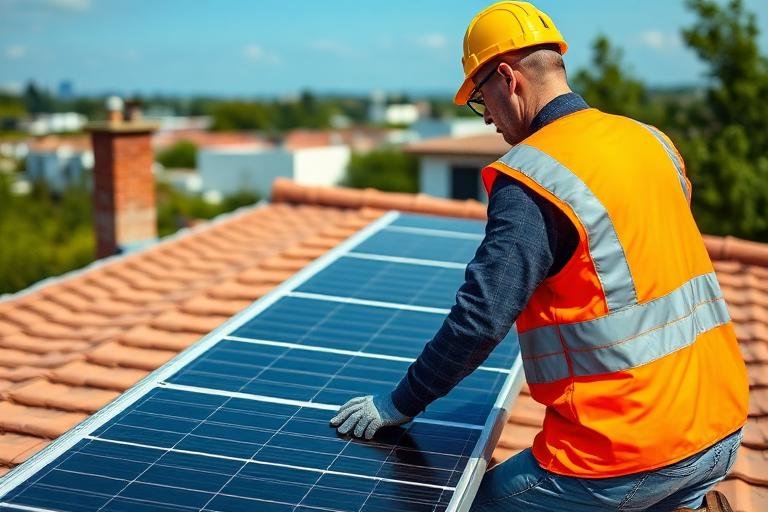
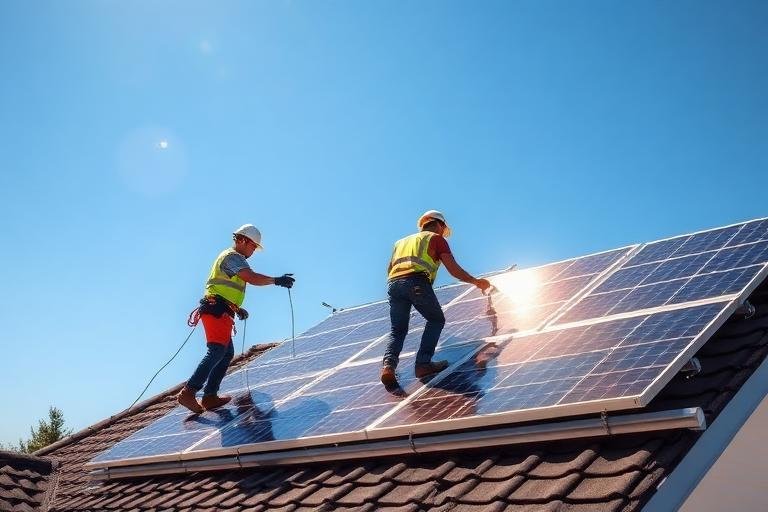
Solar Panel Installation : What to Expect From Start to Finish Your Complete Guide to Solar Panel Installation Going solar is a big decision, and understanding the installation process helps you prepare and set realistic expectations. Here’s everything you need to know about what happens from your first inquiry to flipping the switch. Step 1: Initial Consultation and Site Survey The process begins with a consultation where a solar expert evaluates your needs: Energy analysis: Reviewing your electricity bills to determine system size Roof inspection: Assessing roof condition, angle, orientation, and available space Shading analysis: Using tools to identify any obstructions that could affect performance Electrical assessment: Checking your existing electrical panel and wiring capacity Step 2: System Design and Proposal Based on the site survey, engineers create a custom system design: Panel layout optimized for maximum sun exposure Inverter selection based on system size and configuration Wiring and electrical plans meeting local building codes Energy production estimates and financial projections Complete cost breakdown with financing options Step 3: Permits and Approvals Before installation begins, several approvals are needed: Building permits: Your installer handles all permit applications with local authorities Utility approval: Your power company must approve the grid connection HOA review: If applicable, your homeowners association may need to review plans Timeline: Permit processing typically takes 2-4 weeks depending on your location Step 4: Installation Day The actual installation is faster than most people expect: Duration: Most residential systems are installed in 1-3 days Mounting: Racking systems are securely attached to your roof rafters Panel placement: Panels are mounted on the racking and wired together Inverter installation: The inverter is mounted near your electrical panel Electrical connection: Your system is connected to your home’s electrical panel Most homeowners are surprised at how quick and clean the installation process is. Our team typically completes a standard residential installation in just one day. — Solar Installation Professional Step 5: Inspection and Activation After installation, a few final steps remain: City inspection: A building inspector verifies the installation meets all codes Utility inspection: Your power company inspects and approves the grid connection Meter installation: A bi-directional meter is installed for net metering System activation: Once all approvals are received, your system is turned on What to Prepare Before Installation Make sure you’re ready for installation day: Clear roof access: Remove any items stored near the work area Trim nearby trees: Cut back branches that may shade your panels Secure pets: Keep pets inside or away from the work area for safety Plan for noise: Installation involves drilling — inform your neighbors if needed Be available: Someone should be home to answer questions and sign documents After Installation: What’s Next? Once your system is live: Monitor performance: Download your system’s monitoring app and check daily production Review your first bill: You should see significant savings within the first billing cycle Schedule maintenance: Set reminders for semi-annual panel cleaning Keep documentation: Store your warranty certificates, permits, and system specs safely Conclusion Solar panel installation is a straightforward process when you work with experienced professionals. From consultation to activation, the entire process typically takes 4-8 weeks, with the actual installation completed in just a few days. The result is decades of clean, affordable energy for your home or business. In This Article Your Complete Guide to Solar Panel Installation Step 1: Initial Consultation and Site Survey Step 2: System Design and Proposal Step 3: Permits and Approvals Step 4: Installation Day Step 5: Inspection and Activation What to Prepare Before Installation After Installation: What’s Next? Conclusion