How to Reduce Your Electricity Bill by 80% With Solar Panels
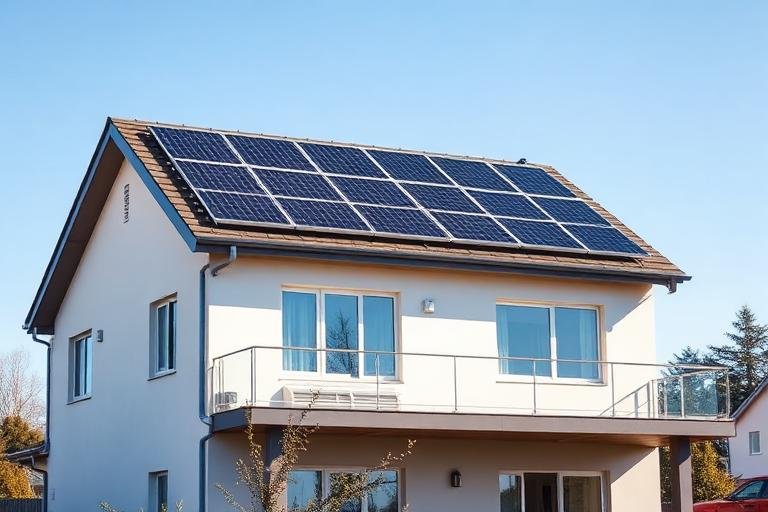
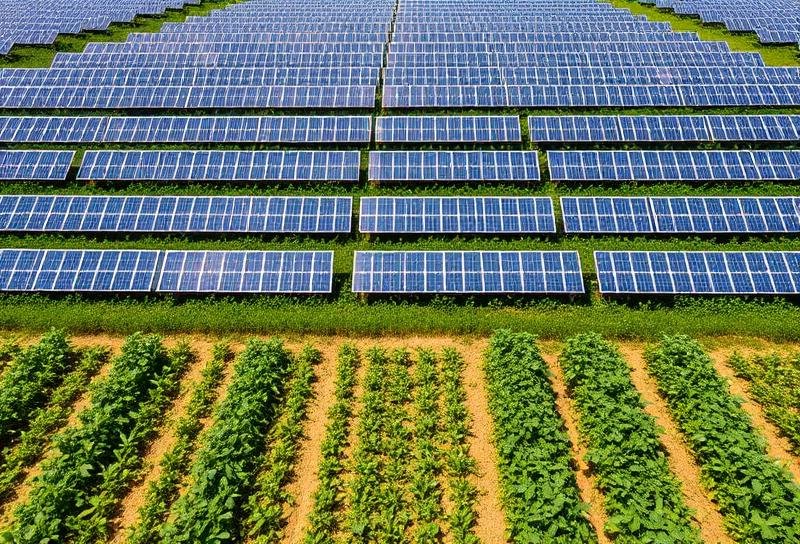
How to Reduce Your Electricity Bill by 80% With Solar Panels Why Your Electricity Bill Keeps Rising Electricity prices have been climbing steadily year after year. For homeowners and businesses alike, energy costs now represent one of the largest monthly expenses. Solar panels offer a proven, long-term solution to take control of your energy costs. How Solar Panels Lower Your Bill Solar panels generate free electricity from sunlight. Once installed, your system produces power during daylight hours, directly reducing the amount of electricity you purchase from the grid. Net metering: Excess energy your panels produce is fed back to the grid, earning you credits on your bill Peak hour savings: Solar panels generate the most power during peak pricing hours, maximizing your savings Fixed energy costs: Unlike utility rates, solar energy costs are locked in for 25+ years Battery storage: Store surplus energy for use at night or during cloudy days Real Savings Breakdown Here’s what typical savings look like for a residential solar installation: Average monthly electricity bill before solar: $250 System size required: 8-10 kW (24-30 panels) Average monthly bill after solar: $30-$50 Annual savings: $2,400-$2,640 System payback period: 5-7 years Steps to Get Started Energy audit: Review your past 12 months of electricity bills to understand your consumption patterns Site assessment: A professional installer evaluates your roof orientation, shading, and structural integrity System design: Engineers design a system sized to offset 80-100% of your electricity usage Installation: Most residential installations are completed within 1-3 days Grid connection: Your utility company connects your system and activates net metering We installed solar panels on our business premises last year and our electricity bill dropped from $1,200 to $180 per month. The investment is paying for itself faster than we expected. — James M., Business Owner Financing Options You don’t need to pay everything upfront: Cash purchase: Highest long-term savings with immediate ownership Solar loans: Low-interest financing with $0 down payment options Leasing: No upfront cost, immediate savings, but lower long-term returns Power purchase agreements: Pay only for the electricity the system produces Conclusion Switching to solar is one of the smartest financial decisions you can make. With electricity prices only going up, locking in low-cost solar energy protects your budget for decades to come. Contact a certified solar installer today to get a free quote. In This Article Why Your Electricity Bill Keeps Rising How Solar Panels Lower Your Bill Real Savings Breakdown Steps to Get Started Financing Options Conclusion